Hybrid & Battery Systems
Energy-storage sizing, propulsion integration, peak shaving, load levelling and battery-powered operating modes, with charging, thermal management and safety interfaces.
Engineering the green transition—from efficient newbuild designs to practical fleet upgrades. Technology selection, integration and validation based on vessel type, operating profile, compliance pathway and realistic return on investment.
Explore green design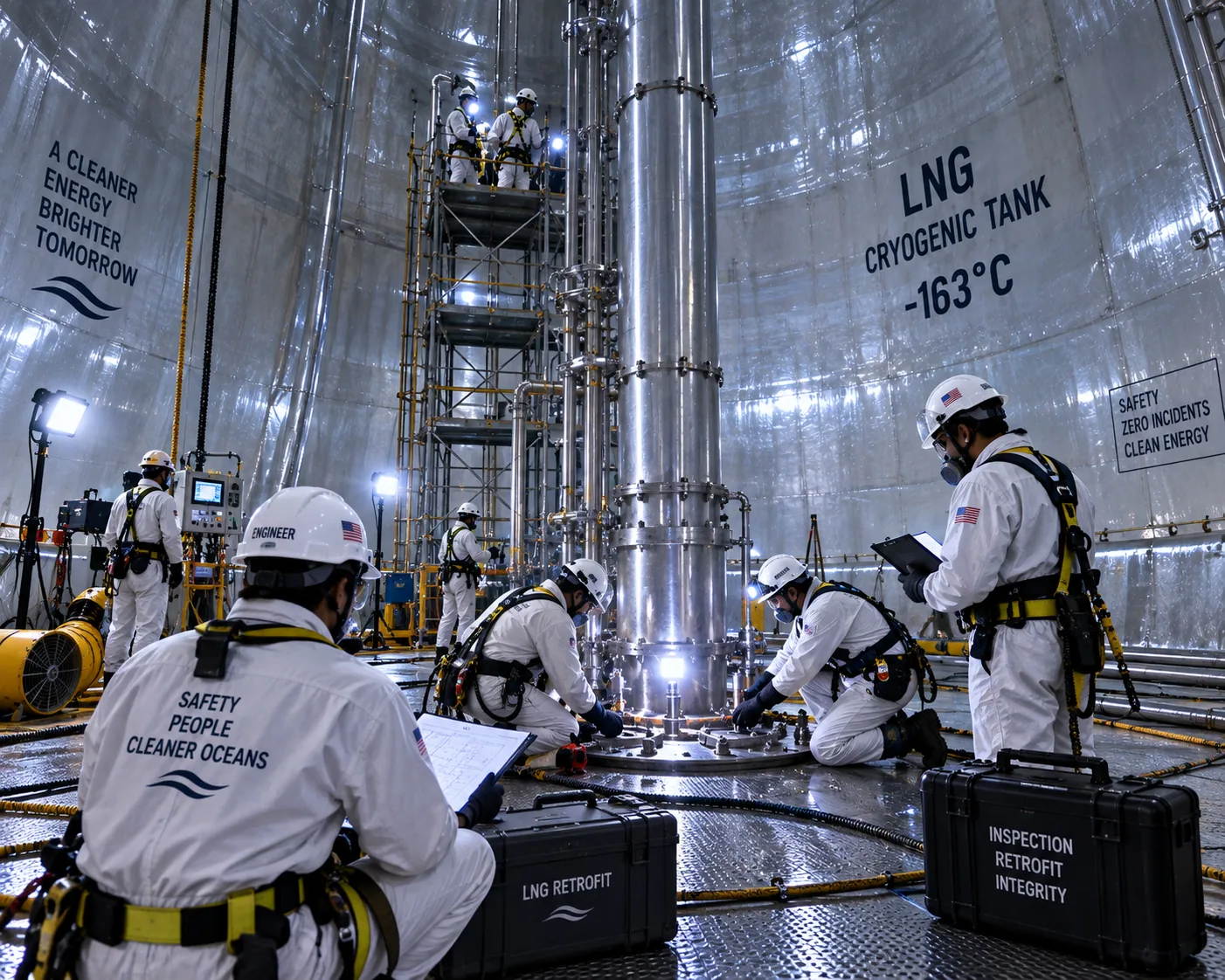
Hudson Marine Solutions LLC develops green ship design pathways that connect hull efficiency, propulsion, onboard power and fuel architecture from the earliest concept stage.
For tugs, patrol vessels, OPVs, container ships and service vessels, we evaluate the actual operating cycle: transit, manoeuvring, standby, port time, peak demand and endurance. The aim is a vessel that is efficient, buildable, maintainable and ready for an achievable energy transition.
We screen solutions against duty cycle, vessel arrangement, safety, fuel availability, shore infrastructure, maintenance needs and lifecycle economics.
Energy-storage sizing, propulsion integration, peak shaving, load levelling and battery-powered operating modes, with charging, thermal management and safety interfaces.
Vessel–shore connection studies, electrical compatibility, protection, cable management and integration to reduce onboard generator use while alongside.
Assessment of recoverable exhaust and cooling-system heat, useful onboard demand, equipment integration and the operating conditions needed for a viable business case.
Fuel and power monitoring, operational baselines, benchmarking and reporting support to identify losses and verify improvements over time.
Hull coatings, hull-form studies, propeller and rudder optimisation, machinery matching and speed–power analysis supported by vessel-specific engineering.
Variable-speed pumps and fans, efficient HVAC and lighting, hotel-load reduction and integrated control of auxiliary energy demand.
A staged engineering process supports newbuilds and existing vessels, aligning technical decisions with a realistic investment and implementation plan.
Establish energy and emissions baselines, duty cycles, arrangement constraints, CAPEX/OPEX and payback scenarios.
Develop fuel, propulsion and electrical architecture; evaluate stability, structure, safety and the applicable approval pathway.
Coordinate production drawings, equipment interfaces, procurement, installation and shipyard execution.
Support testing and trials, compare performance with the baseline and define monitoring and optimisation actions.
Recommendations are supported by transparent assumptions and project-specific technical and financial assessment—not generic savings claims.
Fuel use, power demand, port emissions and lifecycle-emissions boundaries.
CAPEX, OPEX, off-hire, maintenance, payback and sensitivity analysis.
Endurance, redundancy, maintainability and crew operating requirements.
EEXI, CII, MRV and DCS assessment or data support where applicable to the vessel.
Share the vessel type, operating cycle, existing machinery or newbuild requirements, and your energy-transition goals. We can structure the feasibility, design and integration scope around your project.
Prepare a project enquiry